
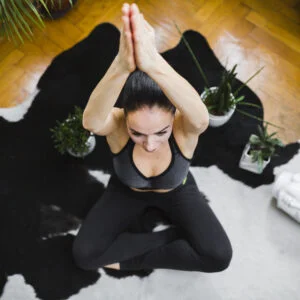
The Foundations of Yin Yoga
Yin Yoga is a quiet, meditative style of yoga that focuses on deep tissue release and emotional balance. Unlike dynamic styles such as Vinyasa or Ashtanga, Yin Yoga emphasizes passive postures, long holds, and mindful stillness. Rooted in principles of Traditional Chinese Medicine and Taoist philosophy, this practice targets the fascia, ligaments, joints, and connective tissues, especially around the hips, pelvis, and lower spine.
What Is Yin Yoga?
Although relatively modern, Yin Yoga is heavily influenced by ancient Taoist concepts. It works on activating and balancing Chi (life energy) throughout the body’s meridian lines. By holding poses for 3–5 minutes or longer, the connective tissues are gently stressed, encouraging flexibility, hydration, and energetic flow.
Core Principles of Yin Yoga
To fully benefit from Yin Yoga, understanding its foundational principles is essential:
1. Find Your Edge
Ease into the pose until you feel a gentle, sustainable stretch — not pain. You’re not pushing or forcing the body, but inviting it to open.
2. Remain Still
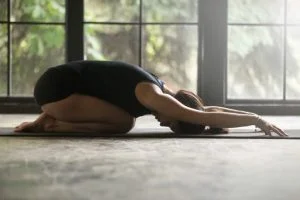
Once in position, avoid fidgeting. Stillness allows deeper tissues to respond to the prolonged hold. Use props like bolsters or blocks to support this stillness.
3. Hold for Time
Hold each posture for 2–5 minutes, or longer if your body allows. The connective tissues require slow, steady stress to adapt and lengthen.
4. Enter and Exit Slowly
Transitions must be mindful. Since tissues become more vulnerable after long holds, exiting quickly can cause injury.
5. Observe Sensations
Instead of avoiding discomfort, learn to differentiate between pain and productive stress. Yin Yoga teaches body awareness and subtle sensation tracking.
The Biopsychosocial Approach to Health
Yin Yoga supports what is known as the biopsychosocial model of health, integrating:
- Biological factors – joint and tissue mobility
- Psychological aspects – mindfulness, stress relief
- Social well-being – cultivating patience and connection through shared practice
This holistic model sees health as more than just physical fitness; it includes mental peace and emotional resilience.
Why Stillness Is So Challenging (and Rewarding)
In a world that rewards multitasking and speed, sitting still for even five minutes can feel like a challenge. Yin Yoga asks you to:
- Pause movement
- Calm the mind
- Tune into the present moment
This mental discipline develops patience, acceptance, and self-compassion. It also gives the body time to surrender, releasing deeply held tension, particularly in stiff or neglected areas.
Benefits of Practicing Yin Yoga
Improves Flexibility in Fascia and Joints
Long-held passive stretches hydrate the fascia, promoting mobility in joints and increased range of motion.
Enhances Emotional Balance
Stillness and deep breathing activate the parasympathetic nervous system, reducing anxiety and enhancing emotional clarity.
Supports Bone and Connective Tissue Health
Yin Yoga applies a distraction force, stimulating bone growth and maintaining tissue integrity, particularly beneficial with age.
Deepens Meditation Practice
As the body remains still, the mind becomes more receptive. Yin Yoga is an ideal gateway into mindfulness and meditation.
Relieves Lower Back and Hip Tightness
By targeting the sacral and pelvic regions, it’s especially helpful for those with tight hips, lower back discomfort, or a sedentary lifestyle.
Enhances Body Awareness
Holding poses for extended periods fosters a deeper connection to bodily sensations, helping prevent injury and improve posture.
Yin Tissues Are Plastic, Not Elastic
Unlike muscles, yin tissues (ligaments, fascia, tendons) are plastic, meaning they reshape slowly over time. Regular Yin Yoga practice gradually opens stiff or resistant areas — in a way that active yoga styles often cannot reach.
Important Tips for Practicing Yin Yoga
- Use props: Bolsters, blankets, and blocks support the body in long holds.
- Listen deeply: Pain is not part of the practice. Discomfort may arise, but it should never be sharp or burning.
- Be patient: Let each practice reveal more about your body, rather than forcing outcomes.
- Personalize your practice: Not every pose suits every body. Modify with awareness and kindness.