
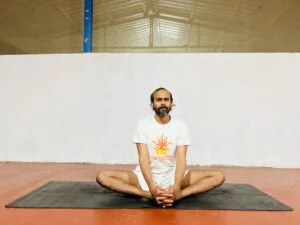
Patanjali and Yoga: Foundations of a Timeless Practice
Yoga is an ancient Indian discipline that integrates physical, mental, and spiritual practices. While its roots trace back to the Vedic tradition, much of what we understand about classical yoga today is based on the Yoga Sutras of Patanjali, a foundational text that codified the philosophy and practice of yoga.
In India, yoga is not only a wellness practice but a spiritual journey—a method to achieve self-realization and mental clarity. Patanjali’s teachings remain a cornerstone in yoga communities across the world, offering deep insight into the nature of the mind and the path to spiritual liberation.
Who Was Patanjali?
Patanjali was an ancient Indian sage and scholar, best known for compiling the Yoga Sutras—a collection of 196 concise aphorisms (sutras) that systematize the philosophy and practice of yoga.
His Key Contributions:
- Author of the Yoga Sutras, a text that became the backbone of modern classical yoga.
- Explained the Eight Limbs of Yoga, a progressive path to enlightenment.
- Introduced the concept of Samadhi—a state of meditative absorption or oneness.
- Described the states of consciousness, mental fluctuations, and the discipline required to transcend them.
The Yoga Sutras of Patanjali: A Breakdown
The Yoga Sutras are divided into four chapters (padas), each addressing a different aspect of the yogic journey:
- Samadhi Pada
- Focuses on the nature of the mind and introduces Samadhi, the meditative absorption where the ego dissolves.
- Sadhana Pada
- Details the methods and disciplines required for practice, including the Eight Limbs of Yoga.
- Vibhuti Pada
- Discusses the siddhis (yogic powers) that may arise during advanced stages of practice.
- Kaivalya Pada
- Describes the attainment of kaivalya—ultimate liberation or spiritual independence.
The Eight Limbs of Yoga
Outlined in the Sadhana Pada, the Eight Limbs provide a structured approach to spiritual growth and self-purification:
- Yama – Ethical restraints (e.g., non-violence, truthfulness, non-stealing)
- Niyama – Personal observances (e.g., purity, contentment, self-discipline)
- Asana – Physical postures to prepare the body for meditation
- Pranayama – Breath regulation to control life force (prana)
- Pratyahara – Withdrawal of the senses to turn inward
- Dharana – Concentration on a single object or thought
- Dhyana – Sustained meditation
- Samadhi – Complete absorption or union with the divine
These limbs are interconnected, not linear. Though often practiced progressively, they function as a holistic system for physical, emotional, and spiritual well-being.
Legacy and Modern Relevance
Patanjali’s Yoga Sutras remain timeless. They:
- Offer a universal blueprint for human mental and emotional transformation.
- Are applicable to both spiritual seekers and modern individuals facing stress or disconnection.
- Serve as a guide for meditation, ethical living, and inner peace.
Yoga Beyond Patanjali
While Patanjali laid the philosophical groundwork, many yoga systems have evolved:
- Hatha Yoga – Focuses on physical postures and breathing exercises.
- Raja Yoga – Emphasizes meditation and mental discipline.
- Bhakti Yoga – Centers on devotion and spiritual love.
- Jnana Yoga – The path of knowledge and self-inquiry.
- Karma Yoga – Selfless action and service.
Each path offers unique tools, yet all aim toward self-awareness, transformation, and liberation.
Conclusion
Patanjali’s work continues to inspire millions worldwide. By studying and practicing the Yoga Sutras, one gains not only better control over the body and breath but also a deeper understanding of the mind, consciousness, and the true Self.