
Ujjayi Pranayama: The Victorious Breath for Health & Inner Peace
Introduction: What Is Ujjayi Pranayama?
Yoga, the ancient Indian science of wellness, is more than just physical postures (asanas). A crucial component of yoga is pranayama, or breath control. Among the many types of pranayama, Ujjayi Pranayama, also known as the “Victorious Breath,” stands out for its calming yet energizing effects. Practiced for centuries, this technique is a powerful tool for improving physical health, mental clarity, and emotional stability.
What Is Ujjayi Pranayama?
Ujjayi Pranayama is a yogic breathing practice that involves deep, rhythmic breathing through the nose, with a slight constriction in the throat. This produces a soft, ocean-like sound — often compared to waves or gentle snoring — which helps anchor your attention and calm your mind.
- “Ujjayi” means victorious or triumphant in Sanskrit.
- “Pranayama” means extension of the life force or breath control.
This practice increases prana (vital life force), balances energy channels, and promotes a sense of victory over stress, anxiety, and distractions.
Origins of Ujjayi Pranayama
The roots of Ujjayi Pranayama can be traced back to ancient yogic scriptures such as:
- Hatha Yoga Pradipika
- Gheranda Samhita
- Shiva Samhita
These texts describe Ujjayi as a purifying breath that supports mental focus, strengthens the respiratory system, and increases internal energy (prana).
How to Practice Ujjayi Pranayama: Step-by-Step Guide
Anyone can practice Ujjayi, regardless of age or experience. Follow these simple steps:
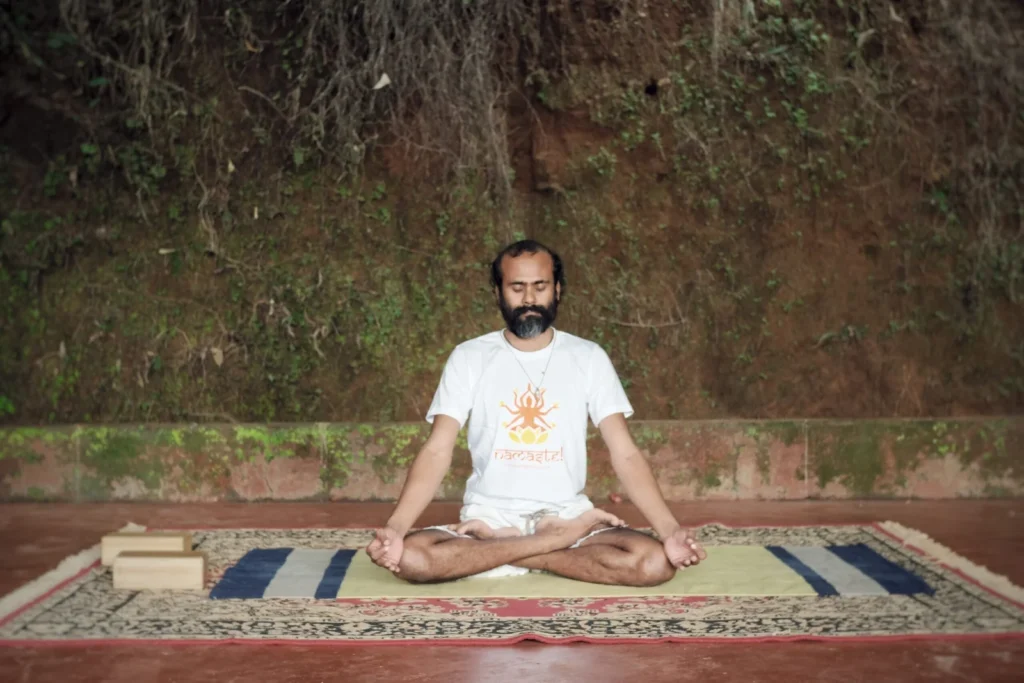
- Sit Comfortably: Find a cross-legged seated position or sit on a chair with your spine erect and shoulders relaxed.
- Begin Deep Breathing: Inhale slowly through your nose and exhale gently through your mouth a few times to settle in.
- Constrict the Throat: Slightly tighten the back of your throat (like fogging up a mirror), creating a soft hissing or whispering sound as you inhale.
- Inhale through the Nose: Maintain throat constriction as you breathe in deeply.
- Exhale through the Nose: Continue the throat constriction as you exhale. The breath should sound like gentle waves or a soft snore.
- Repeat Rhythmically: Continue this deep, steady breathing for 5–10 minutes, gradually increasing the duration as you grow more comfortable.
Top 10 Benefits of Ujjayi Pranayama
1. Reduces Stress & Anxiety
The slow, oceanic breath soothes the nervous system, helping to calm the mind and reduce feelings of anxiety.
2. Improves Lung Function
Deep diaphragmatic breathing enhances lung capacity and increases oxygen intake.
3. Enhances Focus & Mental Clarity
The audible breath acts as an anchor, improving concentration and sharpening awareness.
4. Boosts Immunity
Better oxygenation and reduced stress strengthen the immune system and support overall vitality.
5. Regulates Blood Pressure
Ujjayi Pranayama promotes relaxation and reduces cortisol levels, helping regulate high blood pressure.
6. Clears Sinus Congestion
The breath’s warmth and rhythm help open nasal passages, making it helpful for those with sinus issues.
7. Improves Digestion
The breath massages abdominal organs, stimulating the digestive system and improving gut health.
8. Balances Hormones
This technique helps regulate the endocrine system, which governs hormonal balance and mood stability.
9. Increases Energy Levels
By increasing prana (life force), Ujjayi revitalizes the body and combats fatigue.
10. Enhances Sleep Quality
Its calming effect on the mind makes it a great bedtime practice to improve deep sleep and relieve insomnia.
Contraindications & Precautions
While Ujjayi Pranayama is generally safe, certain conditions warrant caution:
- Low Blood Pressure: Since Ujjayi lowers blood pressure, those with hypotension should consult a doctor first.
- Pregnancy: Avoid during the second and third trimesters due to intra-abdominal pressure from breath retention.
- Heart Conditions: Skip this practice if you’ve had recent heart issues or surgery.
- Respiratory Infections: Avoid during active infections or acute breathing difficulties.
- Dizziness or Lightheadedness: If you feel faint, stop immediately, breathe normally, and rest.
Conclusion: A Breath That Transforms
Ujjayi Pranayama is a simple yet powerful technique that can transform your daily life. Whether you’re seeking stress relief, better sleep, or more energy, this ancient breath practice offers a natural, holistic solution. With consistent practice, you can experience greater balance, focus, and inner calm — all through the power of your own breath.
Frequently Asked Questions (FAQs)
Can anyone practice Ujjayi Pranayama?
Yes, it’s suitable for people of all ages and experience levels. However, beginners should learn from a trained instructor.
Can Ujjayi Pranayama be practiced during pregnancy?
It’s best to avoid Ujjayi in later stages of pregnancy unless guided by an expert prenatal yoga teacher.
How long should I practice Ujjayi Pranayama?
Start with 5–10 minutes daily, and gradually extend as your comfort level grows.
Is it okay to practice Ujjayi Pranayama on an empty stomach?
Yes. Practicing on an empty stomach, ideally in the morning, enhances its benefits.
Can Ujjayi Pranayama cure diseases?
While it supports healing and well-being, Ujjayi is not a cure. Always consult your healthcare provider for medical conditions.