Table of Contents
ToggleThe Importance of Following a Sequence in Yoga
When practicing something as healing as yoga, it’s essential to follow a proper sequence. A structured order helps prepare your body, prevents injuries, and supports a safe progression. Regardless of the yoga style, warming up before deeper stretches ensures balance and efficiency in your practice.
Even with deep knowledge of yoga, skipping proper sequencing can make your practice ineffective. For self-practice, your personal goals guide the flow. As a yoga teacher, your professional goals must align with your students’ needs to ensure harmony in the class.
Key Sequencing Principles to Follow
Yoga includes various types of postures—standing, seated, lying down, forward bends, twists, and inversions. Each pose has unique benefits and should suit individual body types. Some sequences boost energy, while others promote relaxation. The key is maintaining a balance between both.
Yoga Sequence to Energize
To build energy, include stimulating poses such as Surya Namaskara (Sun Salutation) as a warm-up. Follow it with standing poses, then forward bends, and finally, inverted postures. In certain cases—like targeting specific health conditions—you may modify the order to suit your needs. Flexibility and awareness are vital for sequencing effectively.
Yoga Sequence to Relax
If you struggle with stress, anxiety, or tension, begin with relaxing postures. Once your body and mind settle, transition into more energizing poses. In relaxation-focused styles such as Yin Yoga, poses are held for longer durations (5–10 minutes) to release deep tissues and promote inner calm.
Balancing relaxing and energizing postures during your sessions creates a holistic practice. You can alternate them and explore variations depending on how your body feels. Awareness of your physical and emotional state will guide you toward what works best.
Yin Yoga Sequencing for Different Areas
For the Hips
Even experienced practitioners sometimes face tightness in the hip area. Yin Yoga helps open the hips by holding poses longer, allowing the stretch to reach deep connective tissues. Hip flexibility enhances overall movement and enables better performance in both seated and standing asanas.
Start with external hip rotations using supine or standing poses, followed by internal rotations in supine positions. Include breath awareness and short pranayama or meditation breaks to calm the mind. Although Yin Yoga doesn’t always require warm-ups, adding a few gentle yang poses can prepare the body.
For the Legs and Spine
A sample sequence to target the legs and spine includes:
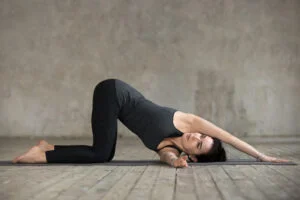
Cat Pulling the Tail – Half Butterfly – Caterpillar Pose – Corpse Pose – Sphinx Pose – Seal Pose – Dragonfly Pose – Snail Pose – Relaxation.
This sequence improves flexibility in the spine and strengthens the leg muscles while maintaining deep tissue health.
For Stress Release
To release stress and emotional tension, try this sequence:
Child Pose – Butterfly – Cat Pulling the Tail – Caterpillar – Bridge – Dragonfly – Deer – Sphinx – Relaxation.
Hold each posture for a few minutes, maintaining stillness and focus. This routine can be practiced for 60–90 minutes for maximum benefits.
Tips for Creating Yin Yoga Sequences
- Most Yin Yoga sessions last 60, 75, or 90 minutes.
- Set a clear goal for the practice or class.
- Include soothing breathing techniques to relax the mind.
- Maintain balance between forward bends and backbends.
- Begin with gentle Yin poses and gradually move into deeper ones such as hip openers.
- Keep transitions smooth with minimal body adjustments.
- Practice symmetry by holding poses on both sides of the body.
- Allow transition time between poses and use props when needed for support.