
What’s the difference between yoga and tai chi?
Yoga and Tai Chi are two ancient practices used for physical and mental wellness for thousands of years. Although they may seem similar at first glance, they have some essential differences that set them apart. This blog will explore the differences between Yoga and Tai Chi, their origins, practices, and benefits.
Yoga vs Tai Chi: Origins, Practices, and Benefits
When comparing Yoga vs Tai Chi, it’s essential to understand their unique origins, movements, and benefits. While Yoga originated over 5,000 years ago in India to connect the mind, body, and spirit, Tai Chi emerged in China as a martial art in the 13th century. Both practices enhance mind-body wellness, yet their methods and philosophies differ.
Origins of Yoga vs Tai Chi
Yoga was developed in ancient India to unite mind, body, and spirit. Its practice includes physical postures (asanas), breathing techniques (pranayama), and meditation, promoting flexibility, strength, relaxation, and self-awareness.
Tai Chi began as a martial art in China for self-defense and gradually evolved into a flowing, gentle exercise focused on balance, flexibility, and mindfulness. Often called “meditation in motion,” Tai Chi emphasizes continuous movement and mental focus.
Key Practices in Yoga vs Tai Chi
Yoga Practices
Yoga focuses on holding postures for several breaths, which requires strength, flexibility, and concentration. Breath control calms the mind and relaxes the body. Popular styles include Hatha Yoga, Vinyasa Yoga, Ashtanga Yoga, Bikram Yoga, and Kundalini Yoga.
Tai Chi Practices
Tai Chi features slow, flowing movements performed in sequences to improve balance, coordination, and flexibility. It integrates deep breathing and mindfulness. Common styles include Chen, Yang, Wu, and Sun.
Physical and Mental Benefits of Yoga vs Tai Chi
Yoga Benefits
Yoga enhances flexibility, balance, and strength. It reduces stress, anxiety, and depression while improving posture, alleviating pain, and supporting overall well-being.
Tai Chi Benefits
Tai Chi promotes balance, coordination, and flexibility. It reduces stress and anxiety, supports heart health, lowers blood pressure, and decreases fall risks in older adults.
Mental Focus
Yoga combines meditation and pranayama to enhance self-awareness and mental clarity. Tai Chi uses slow, mindful movements to improve concentration and emotional calm.
Postures and Movements
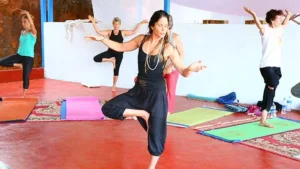
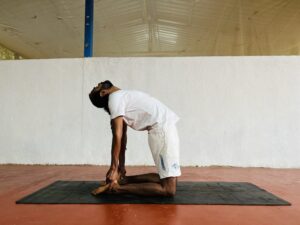
Yoga postures (asanas) strengthen and stretch muscles. Examples include Downward Dog, Warrior Pose, and Tree Pose.
Tai Chi movements flow from one posture to another, emphasizing balance and coordination. Examples include Wave Hands Like Clouds, Single Whip, and Needle at the Bottom of the Sea.
Breathing Techniques
Yoga uses pranayama, such as Ujjayi breath, to energize the body and calm the mind.
Tai Chi uses deep diaphragmatic breathing to improve circulation, reduce stress, and enhance health.
FAQ: Yoga vs Tai Chi
Which is better for stress relief?
Both help reduce stress. Yoga emphasizes breath and meditation, while Tai Chi focuses on mindfulness through slow movements.
Which improves flexibility more?
Yoga generally enhances flexibility more than Tai Chi.
Which practice improves balance more?
Tai Chi is particularly effective for improving balance and coordination.
Can both be practiced together?
Yes, combining Yoga and Tai Chi creates a well-rounded mind-body routine.
Are they safe for all ages?
Both are suitable for most ages. Beginners should learn proper techniques for safety.