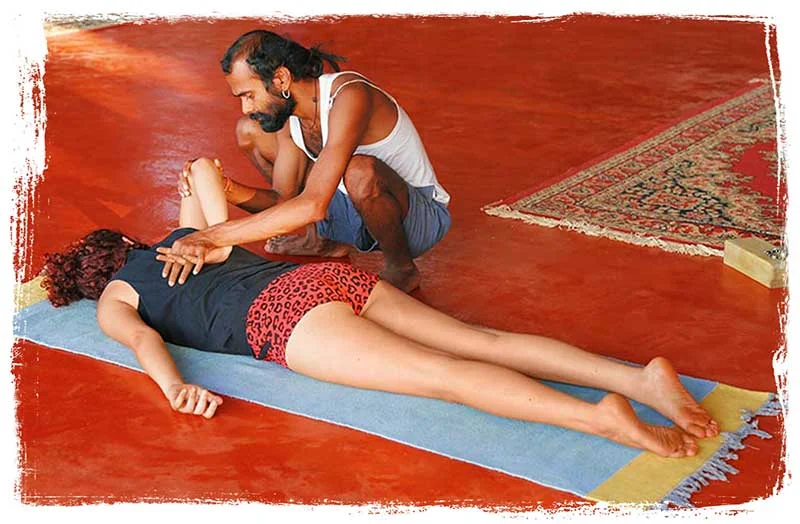


Anatomy and Physiology for Yoga Teachers
Yoga is one of the most popular forms of exercise, with a significant impact on both physical and mental health. To truly understand this impact, it’s important to know the inner structure and functioning of the body. As a yoga teacher or practitioner, you must be familiar with the limitations of each body type and its experience level. Therefore, it’s essential for teachers to learn the basics of anatomy and physiology to understand what’s happening in the body and fully experience the benefits of yoga.
What is Yoga Anatomy?
Anatomy is the study of the body’s structure, including bones, muscles, joints, and other internal organs. Yoga teachers should understand anatomy to improve the effectiveness of asanas and prevent injuries. With this knowledge, you can safely manage injuries and guide students in a way that maximizes benefits.
What is Yoga Physiology?
Yoga physiology explores how body parts function and their specific roles. This includes systems like respiration, digestion, reproduction, and osmoregulation. Understanding physiology helps you see how different systems work together as a single unit, energized by life force.
Anatomy vs. Physiology
-
Anatomy focuses on structure.
-
Physiology focuses on function.
Both are interdependent: you need to understand anatomy to fully grasp physiology. Studying one without the other provides an incomplete picture of the human body.
5 Things Every Yoga Teacher Should Know About Anatomy and Physiology
1. Skeletal Structure of the Body
The human skeleton consists of 206 bones that support and form the structure of the adult body. Teachers should focus on major bones in the arms, legs, and especially the spine. Understanding skeletal structure helps determine which poses affect specific areas.
2. How the Body Moves
Knowing how the body moves improves strength, balance, and reduces the risk of injuries. Yoga teachers should learn the three anatomical planes of movement to identify natural movement patterns and guide students effectively.
3. Muscles of the Body
Muscles support all movement in yoga poses, regardless of their length. Understanding muscular anatomy allows teachers to target specific muscle groups, enhance effectiveness, and prevent strain or injury.
4. Major Joints
Joints are where two or more bones meet, typically made of cartilage, fibrous tissue, or synovial fluid. Learning about joints helps teachers identify safe movement patterns and avoid joint injuries during yoga practice.
5. Body Alignment During Yoga
Recognizing bones, muscles, joints, and movement patterns allows yoga teachers to guide proper alignment. Proper alignment prevents discomfort and injuries while maximizing the benefits of each pose.
Importance of Anatomy Education for Yoga Teachers
Studying anatomy not only makes you a better yogi but also a more effective teacher. Students may have pre-existing injuries or health concerns, so understanding anatomy ensures their safety. A strong foundation in anatomy improves teaching confidence and credibility.
Studying Anatomy in Yoga Teacher Training Courses
Yoga teacher training courses provide structured lessons on anatomy and physiology, showing how yoga affects the human body. With this knowledge, you gain a deep understanding of asana execution, alignment, and safety. Awareness of anatomy and physiology enhances your teaching skills and benefits your students.