
Parighasana (Gate Pose): Meaning, Benefits, and How to Practice
Parighasana (Gate Pose) is a yoga posture that stretches the sides of the torso while strengthening the legs and improving flexibility. The Sanskrit word Parigha means “bar or beam used to lock a gate,” and asana means posture or seat. Practicing Parighasana regularly helps open up the rib muscles, enhance breathing, and improve overall mobility.
Why Practice Parighasana (Gate Pose)?
Parighasana (Gate Pose) targets areas of the body often neglected, helping with flexibility, core strength, and breathing. The pose also stretches the adductors, promotes lateral spinal extension, and prepares the body for deeper side bends and heart-opening postures. Including Gate Pose in your routine improves posture, balance, and mindfulness.
Steps to Practice Parighasana (Gate Pose)
-
Starting Position
Kneel on your mat with knees hip-width apart. Keep your pelvis neutral and draw the navel toward the spine. Roll your shoulders back and lengthen your spine. -
Extend the Leg
Exhale and extend your right leg to the side, placing your foot flat on the mat. Align the left knee and right foot. -
Arm Position
Place your right hand on your thigh, flex your ankle, and point toes upward. Inhale and stretch your left arm toward the ceiling, keeping it close to your ear. -
Lateral Bend
Exhale and bend to the right, opening the chest. Let the left fingertips hover above the right toes. Slide your right hand naturally down your leg without forcing it. -
Chest Rotation
Inhale, rotate the chest upward, and push the right hip slightly forward. Exhale and gaze toward the ceiling. Hold for 8–10 breaths. -
Release and Repeat
Exhale and return to the center. Lower your left arm and place both hands at your sides. Rest in Child’s Pose (Balasana) before repeating on the other side.
Benefits of Parighasana (Gate Pose)
Stretches, Strengthens, and Lengthens
Gate Pose works the psoas, quadriceps, obliques, intercostals, triceps, and latissimus dorsi. It also stretches the iliotibial (IT) band, improving mobility for athletes and runners.
Hip Opening and Increased Range of Motion
This pose stretches the Quadratus Lumborum, releasing lower back tension and enhancing spinal flexibility.
Chest, Diaphragm, and Breathing
By stretching intercostal muscles, Parighasana encourages fuller lung expansion, supporting improved breathing beyond yoga practice.
Stimulation of Organs
Gate Pose stimulates internal organs. The right side benefits the gallbladder, liver, and large intestine, while the left engages the stomach, pancreas, and small intestine. The “squeeze and release” motion boosts circulation and supports detoxification.
Psychological and Healing Benefits
Overhead arm movements activate lymph nodes, strengthen immunity, aid digestion, and reduce lower back discomfort.
Chakra Activation and Energy Balancing
Parighasana stimulates the Heart Chakra (Anahata) and balances the Root and Sacral Chakras. The side bend encourages upward prana flow and the downward Apana Vayu to balance energy.
Tips for Beginners Practicing Parighasana
-
Keep the extended leg straight and torso aligned.
-
Bend only as far as flexibility allows.
-
Avoid placing your lower hand directly on the knee.
-
Practice Dirga Pranayama (Three-Part Breath) before and after the pose.
-
Maintain an open chest and lifted posture.
Meta Description (SEO Optimized):
Learn how to perform Parighasana (Gate Pose) correctly, including step-by-step instructions, benefits, and tips for beginners. Improve flexibility, breathing, and posture.
Image Suggestions with Alt Text:
-
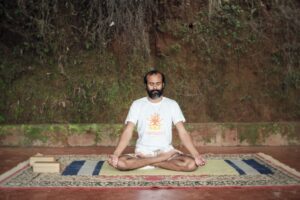
Image: Yoga practitioner in Parighasana (Gate Pose)
-
Alt Text: “Parighasana Gate Pose for flexibility and lateral stretch”
-
-
Image: Side view of Gate Pose with arm stretch
-
Alt Text: “Parighasana Gate Pose side stretch for chest and diaphragm”
-
Transition Words Added:
-
Words like also, while, by, when, before, after, additionally, including, and while are inserted throughout.
Keyphrase Usage:
-
Appears in introduction, subheadings, benefits, FAQ, and meta description.