
Chaturanga Dandasana Strengthens Core, Shoulders, Arms, Wrists, Thighs, and Ankles
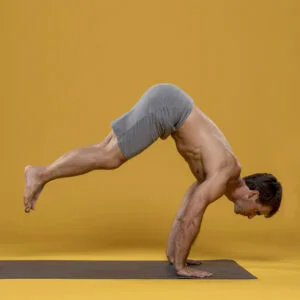
Chaturanga Dandasana, also called the Four-Limbed Staff Pose, derives its name from Sanskrit: Chatur means “four limbs,” danda means “supporting staff,” and asana means “posture.” The spinal cord acts as the body’s main support, just like the staff in this pose.
This pose, part of the Surya Namaskar (Sun Salutation) flow, strengthens the shoulders, arms, and core. It also appears in the Classic Sun Salutation Variation IV. Fitness enthusiasts and yoga practitioners include Chaturanga Dandasana in Power Yoga, Vinyasa, Ashtanga Yoga, Pilates, and floor workouts.
Steps for Chaturanga Dandasana
-
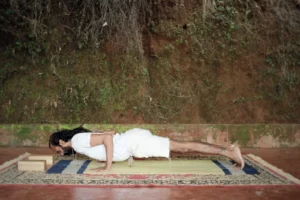
Begin in Adho Mukha Svanasana (Downward-Facing Dog) and transition into Plank Pose. Keep your shoulders firmly pressed toward your back and tailbone slightly tucked toward the pubis.
-
Extend your arms fully while maintaining a straight spine.
-
Exhale and bend your elbows, lowering your body just a few inches above the floor. Keep your hips aligned with your shoulders.
-
Tuck your legs in and maintain space between your shoulder blades. Push your elbows back toward your heels instead of flaring them outward.
-
Press the tips of your forefingers into the floor, keeping your neck aligned with your spine.
-
Hold this position for 10–30 seconds, then gently lower your body to the floor.
-
Repeat this sequence 3–6 times, focusing on steady breathing and core engagement.
Benefits of Chaturanga Dandasana
Strengthens, Lengthens, and Stretches
Balancing on your arms engages the upper body muscles, promoting strength in the shoulders and arms. Core engagement keeps your body parallel to the floor and strengthens the abdominal muscles. Regular practice also tones your legs, wrists, and shoulder blades.
Improves Flexibility and Range of Motion
Bending your elbows during this pose enhances flexibility in the wrists, elbows, and arms. Activating your hips strengthens them while preparing the body for advanced arm-balancing postures like Pincha Mayurasana (Feathered Peacock Pose) or Salamba Sirsasana Konasana (Wide-Leg Headstand).
Boosts Awareness and Focus
Maintaining alignment during Chaturanga improves concentration and mental clarity. Students develop body awareness as they monitor spinal alignment, bent elbows, and proper foot placement while controlling their breath.
Enhances Posture and Alignment
Toning the arms, legs, and core ensures proper posture. The pose strengthens the spine, improving overall equilibrium and spinal health.
Energizes, De-Stresses, and Stimulates Organs
Chaturanga energizes the body, making transitions into Vinyasa flows smoother. Strengthening the abdominal core stimulates digestive organs, improving digestion and general health.
Promotes Balance and Emotional Stability
Balancing in Chaturanga develops confidence, enhances the Solar Plexus Chakra, and stabilizes emotions. Coordinating breath with movement aligns prana, supporting a harmonious flow of energy throughout the body.
Who Should Practice Caution
-
-
Injury or Surgery: Avoid this pose if you have injuries to wrists, shoulders, ankles, or spine, or if you recently had surgery on your abdomen, knees, hips, or shoulders.
-
Lack of Body-Breath Connection: Students must maintain breath awareness to prevent strain. Teachers should guide beginners to synchronize breath with movement.
-
Weak Core or Limbs: Beginners with weak arms, wrists, shoulders, or core should avoid this pose to prevent joint injuries.
-
Health Conditions: People with vertigo, high blood pressure, migraines, or carpal tunnel syndrome should refrain from this pose.
-
Special Groups: Pregnant women, children, seniors, and postnatal women should avoid Chaturanga unless cleared by a trained instructor.
-