
The Ultimate Guide To What Yoga Is All About
You may have heard a lot many times till now, that yoga is an amalgamation of the mind, body, and soul. The word ‘yoga’ itself means ‘union’. It points toward the union of the earthy body with the universe, to be precise. Additionally, there is philosophy to back it up. The science of Yoga goes back almost 5,000 years, to the times of Sushruta and Charaka. It does sound interesting, isn’t it? Let us explore further.
Essence of Yoga and Its Background
Yoga is an ancient discipline passed down by sages and revered teachers throughout history. Mentioned in the Rig Veda and preserved by the Sapta Rishis, this practice aims to harmonize the mind, body, and spirit. At its core, it promotes balance between humans and nature, guiding practitioners toward spiritual growth and self-realization.
Historical Roots of the Practice
This yogic science likely began with the start of human civilization. Early teachers spread their knowledge across Asia, North Africa, South America, and the Arabian regions. India became the primary hub for refining these practices, deeply integrating them with local culture and traditions. Archaeological evidence from the Indus Valley civilization also points to early meditation and movement practices.
A Universal Practice
The practice transcends religion, allowing anyone, regardless of background or ethnicity, to participate. Across centuries, various forms evolved, yet one constant remains: the Guru-Shishya (teacher-student) tradition. Traditional schools include Bhakti, Raja, Karma, Jnana, Dhyana, and Hatha traditions.
Popular Forms of the Discipline
Hatha Approach
Hatha emphasizes physical strength and balance. The terms “Ha” and “Tha” represent the sun and moon, symbolizing the balance of opposing forces. This approach prepares the body for deeper spiritual work.
Ashtanga-Vinyasa Flow
Combining Ashtanga postures with Vinyasa sequences, this style features six series from beginner to advanced levels. The daily sequence may vary, offering a dynamic and energizing routine.
Kundalini Awakening
This form focuses on spiritual activation. Practitioners perform postures and kriyas to awaken energy at the base of the spine. Chakra alignment and pranayama ensure smooth energy flow throughout the body.
Restorative and Therapeutic Techniques
Restorative methods prioritize relaxation and rejuvenation using supportive props. Therapeutic approaches aim to manage ailments and improve well-being. Yin-inspired practices emphasize slow, gentle stretches to enhance internal balance.
Core Practices for Mind-Body Wellness
The discipline integrates multiple practices for holistic development:
-
Postures: Strengthen and stretch muscles.
-
Breathing Techniques: Enhance energy flow and mental clarity.
-
Meditation: Cultivate focus and emotional calm.
-
Energy Gestures: Direct internal energy and support meditation.
-
Cleansing and Chanting: Detoxify and harmonize body and mind.
Even practicing just one component, such as controlled breathing, provides noticeable benefits.
Safety Tips
While the practice offers numerous benefits, improper execution can lead to back pain, dizziness, or elevated blood pressure. Beginners should:
-
Warm up before sessions.
-
Avoid inversions and intense postures without guidance.
-
Practice within personal comfort limits.
-
Stay hydrated to prevent overheating.
-
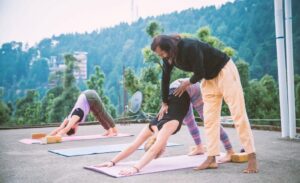
Learn under qualified instructors to ensure safe practice.
Following these precautions maximizes benefits while minimizing risks.